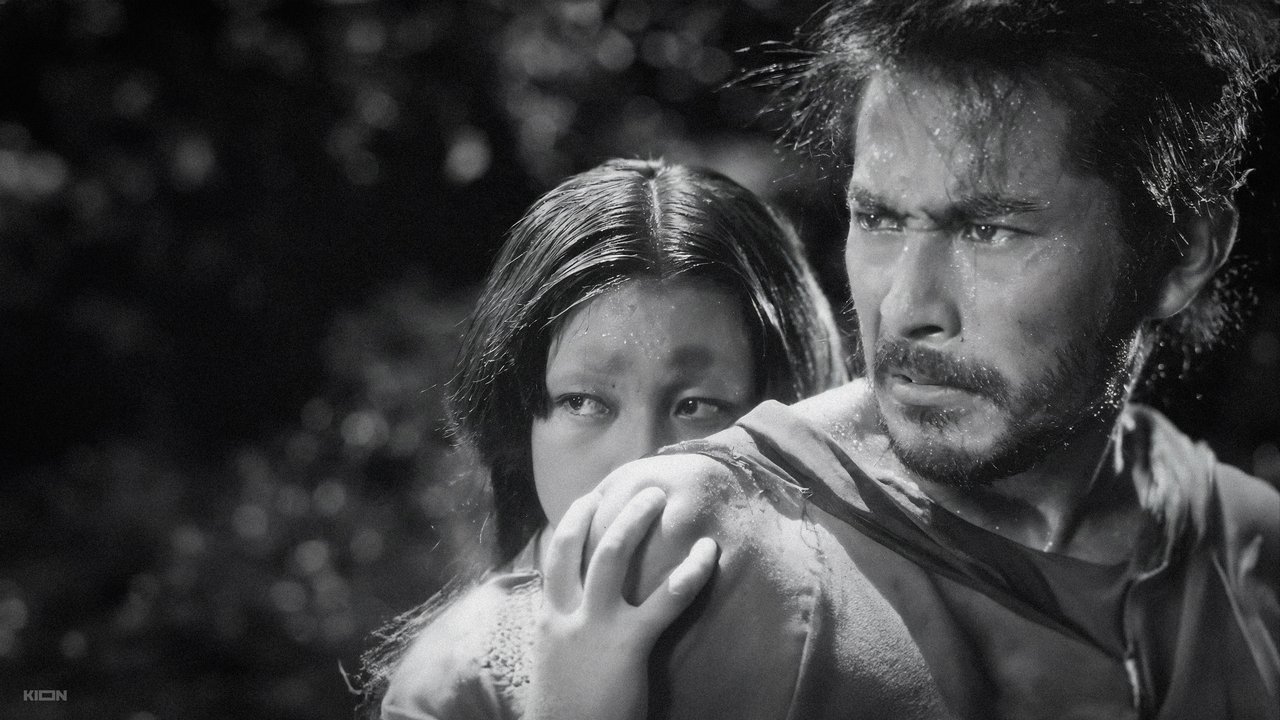
Four people recount different versions of the story of a man's murder and the rape of his wife.
3 takes · 0 hearts · 0 replies
The narrative is disingenuous in that whatever information is provided at every turn or confession turns into another dagger to the true heart of the story. What is genuine is the bias of the characters towards each other and their gains and advantages. What you as the audience may see as the truth is also shrouded in an air of bias that would reveal itself to only the few. It is the doubt that gnaws and creeps at you that makes the story more interesting; you doubt your own convictions, your own thoughts, and eventually you become one of these characters. Nobody is to be trusted, but everyone is to be seen with a keen sense of distrust. Eventually, at the end when the man walks away with the child in hand, something that is the most innocent in the world, he feels proud somewhat for either proving to himself that he is trustable and redeemable or also maybe that he has restored the faith of the priest, who is in the whole story the only character that has not strayed from his story and path somewhat. But him giving the child away makes me lose faith in humanity. So, who knows.

Perspective exists?
“It’s inevitable to be suspicious of others...”