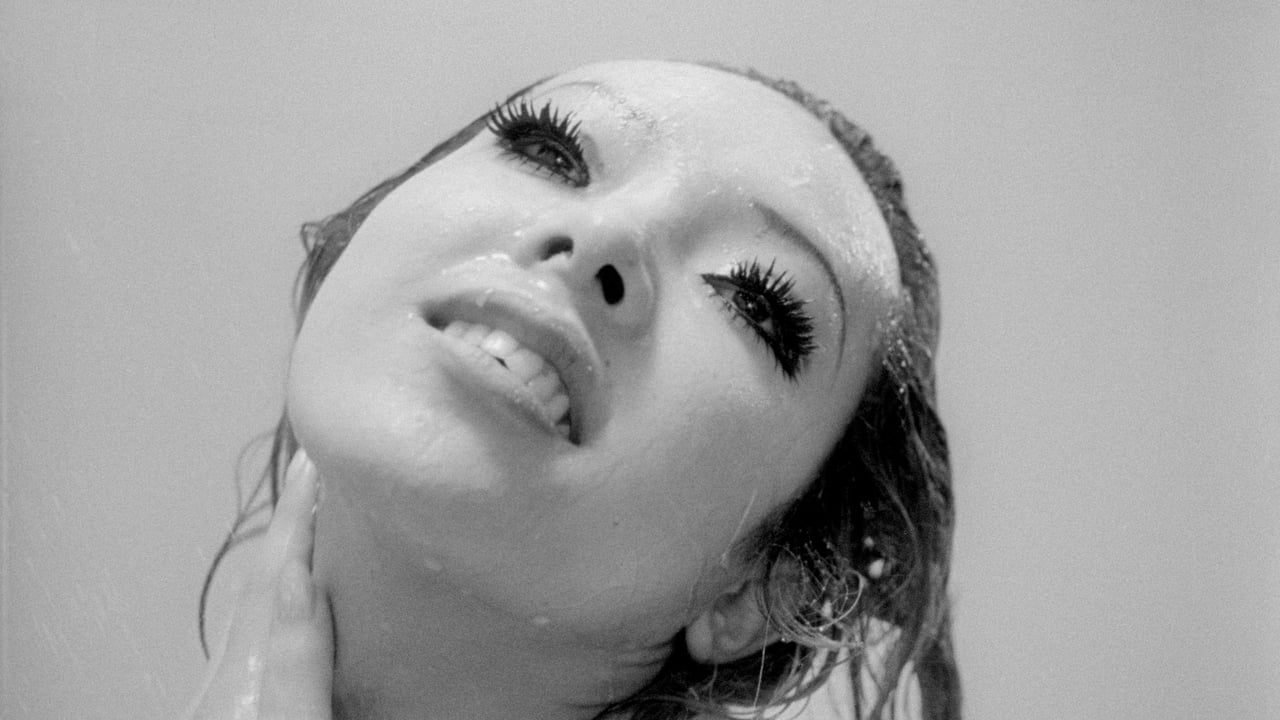
In 1960s Tokyo, Gonda owns a bar in which the gay, cross-dresser, and trans scenes meet. Gonda is in a relationship with the madam of the bar, Leda. As the younger Eddie starts a passionate affair with Gonda, she ignites the jealousy of Leda, unaware of another kind of history between them.
2 takes · 0 hearts · 0 replies
“Every man has his own mask which he has carved for a long time. Some wear the same masks all their lives, others use a variety of masks. Some masks stress the features, others are far from their original. Some are poor and easily distinguishable, others are so skilfully made, they’re hardly distinguishable. People always wear masks when they face each other. They see only masks. Even if they remove their masks their faces seldom expose themselves. Because there may be second masks, and even third masks hidden under the first ones. Therefore, people often take your masks for you. And you take theirs for them. The objective of love and hatred may be the masks. Faces suffer loneliness. People try to escape from it and make new masks.”
“𝙀𝙫𝙚𝙧𝙮 𝙢𝙖𝙣 𝙝𝙖𝙨 𝙝𝙞𝙨 𝙤𝙬𝙣 𝙢𝙖𝙨𝙠 𝙬𝙝𝙞𝙘𝙝 𝙝𝙚 𝙝𝙖𝙨 𝙘𝙖𝙧𝙫𝙚𝙙 𝙛𝙤𝙧 𝙖 𝙡𝙤𝙣𝙜 𝙩𝙞𝙢𝙚. 𝙎𝙤𝙢𝙚 𝙬𝙚𝙖𝙧 𝙩𝙝𝙚 𝙨𝙖𝙢𝙚 𝙢𝙖𝙨𝙠𝙨 𝙖𝙡𝙡 𝙩𝙝𝙚𝙞𝙧 𝙡𝙞𝙫𝙚𝙨, 𝙤𝙩𝙝𝙚𝙧𝙨 𝙪𝙨𝙚 𝙖 𝙫𝙖𝙧𝙞𝙚𝙩𝙮 𝙤𝙛 𝙢𝙖𝙨𝙠𝙨." Among the finest additions in Japanese arthouse cinema, this was an absolutely jarring and convoluted film experience. Personally, all I can say is that I felt this was one of the films that was really ahead of its time and that made such an impact on me. There was so much to admire in 𝐌𝐚𝐭𝐬𝐮𝐦𝐨𝐭𝐨's masterful and finest work: a controversial and sensitive theme of underground queer societies, the exploitative nature of storytelling drama, paired with the occasional visual editing that deludes you over the course of time, some documentation of the "gay boys" whereas they are interviewed about their identity and background, and sequences of intense and gut-wrenching erotic scenes. It also had some of the darkest and most unsettling film endings that were ever put out, and for that, it left me disturbed. The film doesn't shy away from creating a horrifying atmosphere, yet it simmers down to its psychedelic nature and the eventual symbolism that is apparent, holding an extensive meaning to the personas created within the characters. The Japanese 1960s influence, life, and status quo of LGBTQ peers are fully portrayed in this film. Much like the comparable masterpiece of what was also taken as an inspiration for the film 𝙆𝙪𝙗𝙧𝙞𝙘𝙠'𝙨 𝘼 𝘾𝙡𝙤𝙘𝙠𝙬𝙤𝙧𝙠 𝙊𝙧𝙖𝙣𝙜𝙚, the recreating of the Greek tragedy Oedipus Rex in this film was as brilliantly used.