In the Colombian-Venezuelan Andes, a peasant works the land under exploitative conditions to ensure the survival of his family. His son is ill, his wife is pregnant, and he himself reproduces the violence that surrounds him. With no money for medical treatment, one night he gets drunk and is arrested. In jail, in a burst of fury, he rebels against the town's political boss in the only way he can. La Paga was a pioneering work of social and political cinema in Latin America, released the same year as Barravento, Glauber Rocha’s debut feature, and anticipating movements such as Third Cinema. Influenced by Italian Neorealism and Soviet cinema in its aesthetics, forms, and ideological approach, the film uses the archetypal representation of characters and the social and economic forces they embody. Based on the director’s childhood observations in his hometown, La Paga denounces the exploitation of the rural peasantry.
| Actor | Role |
|---|---|
| AAlberto ÁlvarezNot listed | Not listed |
| MMaría EscalonaNot listed | Not listed |
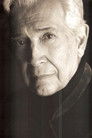 Rafael BriceñoNot listed Rafael BriceñoNot listed | Not listed |
| PPaco De La RieraNot listed | Not listed |
| EEduardo FrankNot listed | Not listed |
| HHerman LejterNot listed | Not listed |
| EEduardo ManceraNot listed | Not listed |
| AAníbal RiveroNot listed | Not listed |