There are nearly three dozen major televised, theatrical and cinematic productions paying homage to this revision of the original tale of Don Juan. Playwright José Zorrilla's work, was first written and published in 1844, and it soon became one of the most popular plays of the 19th Century. Spanish Director Alejando Perla's own 1952 cinematic version is probably the best-known of several films made concerning Zorrilla's take on the exploits of the immortal Don Juan-in just a 15 year period, (starting in 1936). His version stands out because it focuses on why Don Juan Tenorio should repent, after reflecting on a hedonistic life of drinking, followed by his enchantment, seduction and ultimate corruption of the innocent and married women he seduced then callously abandoned all throughout Seville.
| Actor | Role |
|---|---|
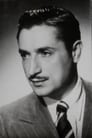 Enrique DiosdadoDon Juan Enrique DiosdadoDon Juan | Don Juan |
| MMaría Carmen Díaz de MendozaDoña Inés de Ulloa | Doña Inés de Ulloa |
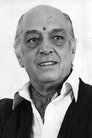 José María RoderoDon Luis Mejía José María RoderoDon Luis Mejía | Don Luis Mejía |
| CCarmen SecoBrígida | Brígida |
| GGaspar CamposDon Diego Tenorio | Don Diego Tenorio |
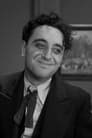 Pablo Álvarez RubioDon Gonzalo de Ulloa Pablo Álvarez RubioDon Gonzalo de Ulloa | Don Gonzalo de Ulloa |
 Adolfo MarsillachCapitán Centellas Adolfo MarsillachCapitán Centellas | Capitán Centellas |
| PPepita C. VelázquezDoña Ana | Doña Ana |
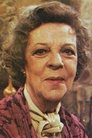 Amelia de la TorreLucía Amelia de la TorreLucía | Lucía |
| MMercedes AlbertLa Abadesa | La Abadesa |
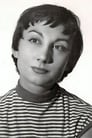 Berta RiazaLa tornera Berta RiazaLa tornera | La tornera |
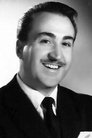 Rafael AlonsoCiutti Rafael AlonsoCiutti | Ciutti |
| GGabriel MirandaButtarelli | Buttarelli |
| MMiguel ÁngelDon Rafael de Avellaneda | Don Rafael de Avellaneda |
| MMiguel CerroUn escultor | Un escultor |
| JJosé PulidoGastón | Gastón |
| JJosé Pedro LobeteAlguacil 1º | Alguacil 1º |
| LLuis CrespoAlguacil 2º | Alguacil 2º |
| MMaría Luisa RamosBailarina | Bailarina |